The Problem:
Every year, for the past 31 years there has been at least one confirmed oil spill somewhere in the world; these spills ranging from as small as 0.27 metric tons ( Dakota Access Pipeline Leak 2017) to as large as 820,000 tons of oil (Gulf War Oil Spill 1991).

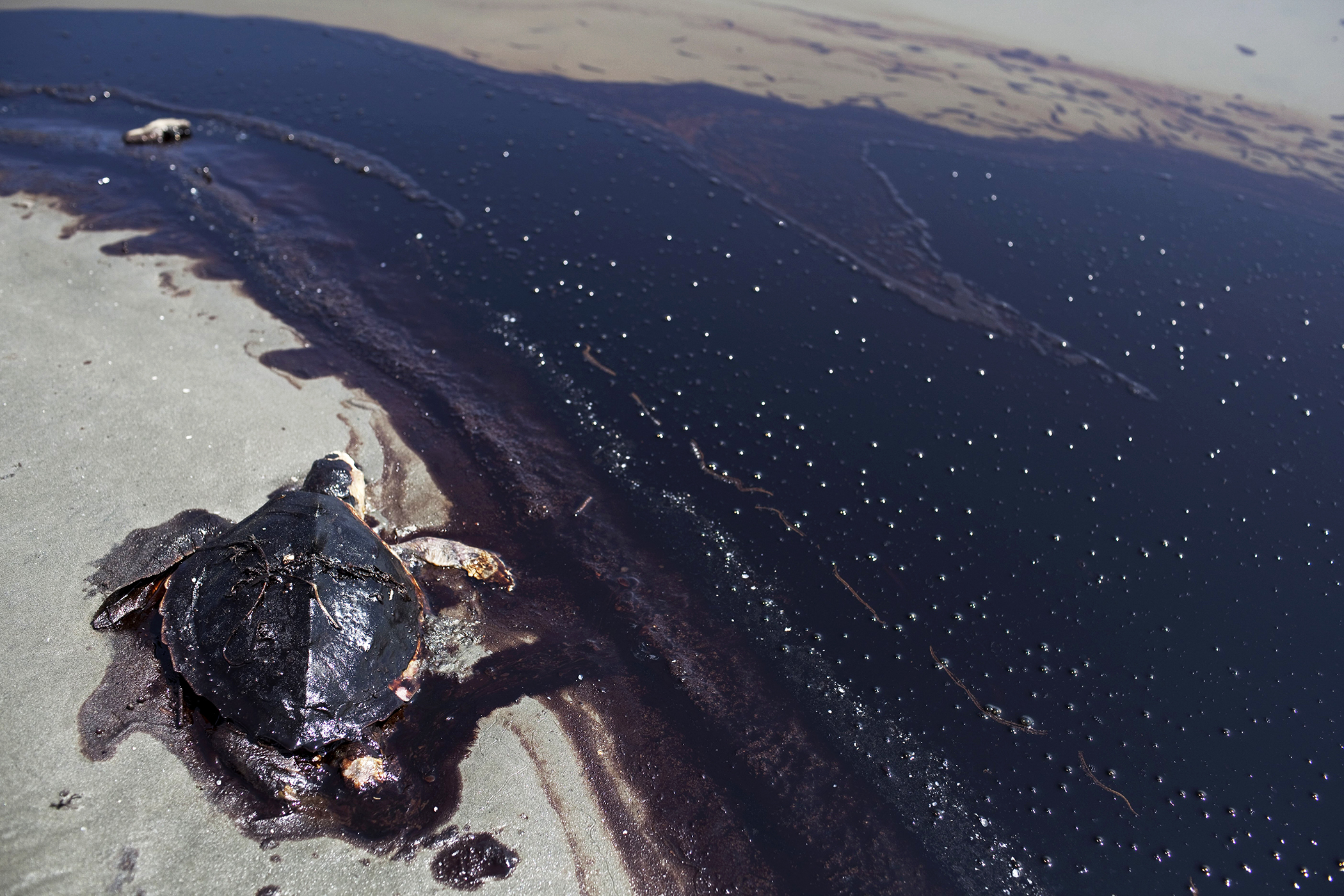
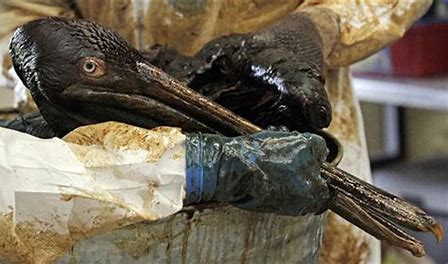
After each of these spills happens, the media becomes bombarded with images of the clean up initiative, including photos of the water being cleared, and animals such as turtles, pelicans, and seals being scrubbed clean. Following clean up, blame is often established, monetary punishments are given, and then the world moves on to do it again. But anyone who has ever attempted to scrub grease or oil from a pot will acknowledge that you can’t ever get it all; leaving us with the question “What are we leaving behind?”.
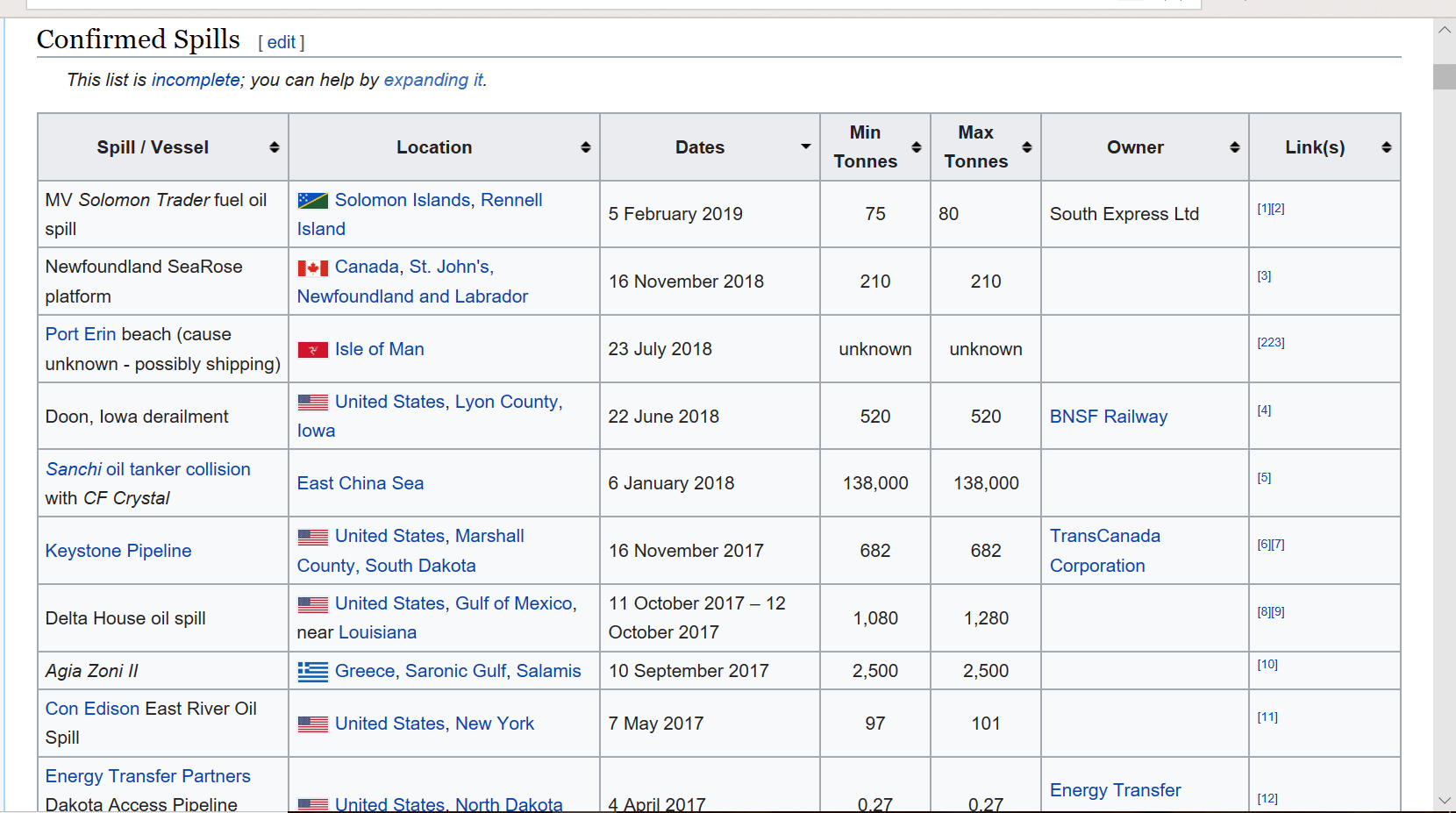
How Much Cleaning Are We Doing?
Although there is always a genuine effort to clean up what has been spilled, an article by the Smithsonian utilizes numerous research articles and papers to demonstrate concern regarding the effectiveness of the cleanups. One research paper in particular, written for the city of Vancouver, Canada, noted that “collecting and removing oil from the sea surface is a challenging, time-sensitive, and often ineffective process,” even in calm water. The Smithsonian drives this point even further by referencing statistics about the clean up of the famous Exxon Valdez spill of 1989 in which “the industry on average recovered an estimated 14 percent of the oil”.
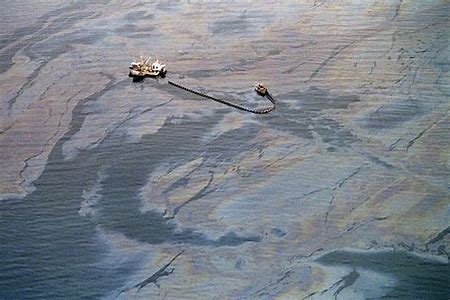
Given that only 14 percent of the oil is recovered, one must wonder what happens to the other 86 percent? Where does it go? What does it do to the living and nonliving things that make up the ocean?
Phytoplankton
As stated previously, these oil spills have an immense visible impacts, but research by Federle et al. shows that the implications extend even further. In their research Ferderle et al. examine what impact oil spills have on one of the oceans smallest but most important organisms, zooplankton, and the job they perform for the ocean ecosystem.
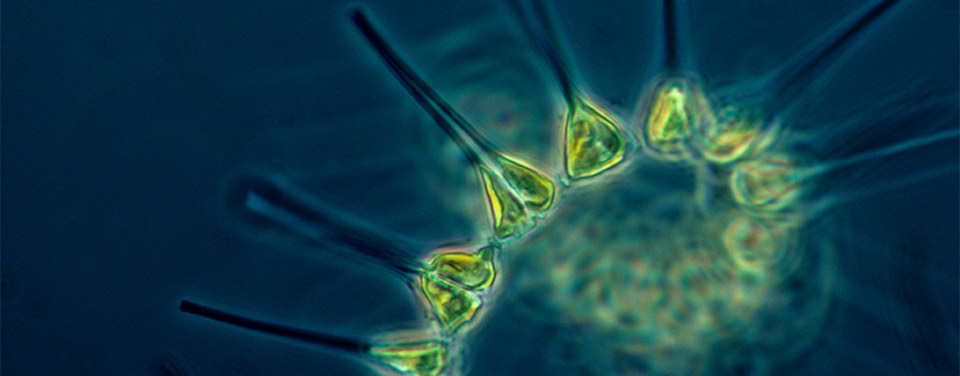
Just by looking at them, you are probably wondering why the welfare of a “shrimp” is so important? What few people know though is that these critters represent a group of organisms, called primary producers, who are responsible for the functioning of the entire ocean.
What are Primary Producers
These primary producers are the organisms in the ocean that make their own food using the energy they get from the sun or chemicals around them, and by doing so, feed every other living thing in the ocean. Without the existence of these organisms, other living things would have nothing to eat and would cease to exist, meaning the extinction of the turtles, seals, and whales that we love.
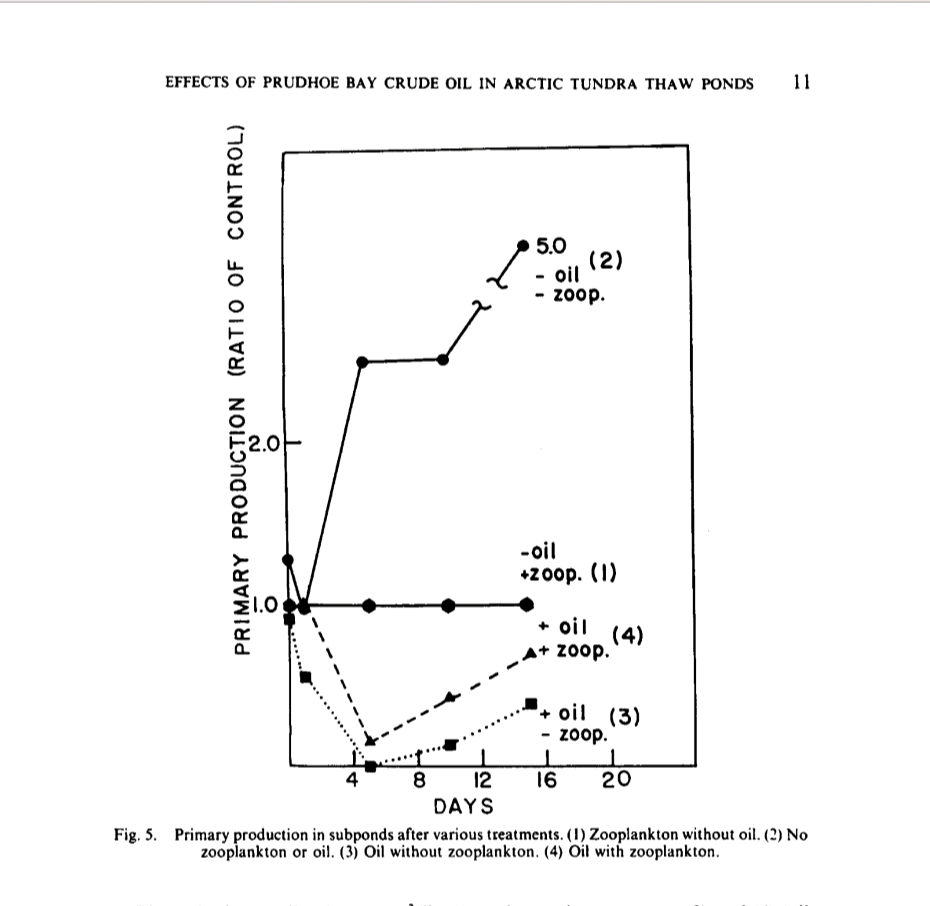
With this startling new information, the gravity of how serious this problem is sets in when Federle et al. state “no living zooplankton were observed after three days in the subponds originally containing zooplankton and treated with oil” (8) showing that if oil spills were not promptly cleaned up primary production would drop. Having said all of this, it is important to note that this problem as a whole can be avoided.
What Can Be Done?
As stated in the Smithsonian article above oil spill clean ups are expensive, time consuming, and inefficient, so to remedy the current situation of oil spills and a decline in primary production, we must take preventative action. Taking preventative action in the case of oil spills would not only protect the ocean ecosystem but would also save oil companies time and money.
Preventative Action
Some specific actions that can be taken include examining a route a oil tanker is traveling for potential hazards, including physical hazards, water conditions, and the weather forecast. Hopefully, by assessing for risk ahead of time, we can prevent this accidents from even happening.
If preventative action does not work and a spill occurs, quick and efficient action is necessary for preventing further damage. The first step that should be taken is the identification of where the spill originated, how big the spill is, how far it will spread, and finally what impact the ocean conditions would have on the spill; all of which can be examined by producing a digitalized map of the spill.

Potential Solutions
New and Innovative Solutions
Typically three different methods of cleaning are used: skimming the oil off the top, burning off the oil (yes setting it on fire), or chemical removal of the oil, all of which are inefficient and produce a large quantity of waste (NOAA). To combat this problem, Seth Darling and colleagues at Argonne National Laboratory are in the process of developing a new material that would efficiently absorb oil, be able to be cleaned, and then reused to continue cleaning.
See the magic for your own eyes:
It is important to keep in mind that Darling and his colleagues are not alone, and that scientists are constantly looking for new and innovative solutions to all sorts of problems. But in the meantime let us focus on what YOU can do.
What You Can Do To Help
- Vote for representatives that represent environmental interests
- Write to yours state and or local representatives
- Avoid the use of products that contain petroleum in them (many plastic items contain petroleum)
- Get involved with an action group or donate to the cause (below I have listed just a few but there are many out there that are worthy of recognition)
- Educate yourself more on the issue
- Watch documentaries
- Read new research as it comes out to stay updated about the issue
- Do your own research to see how it impacts you and the area you live in
 Kattails